Tropical Fruits & Natural Nutrition
Educational content exploring the composition of exotic fruits and their nutritional components
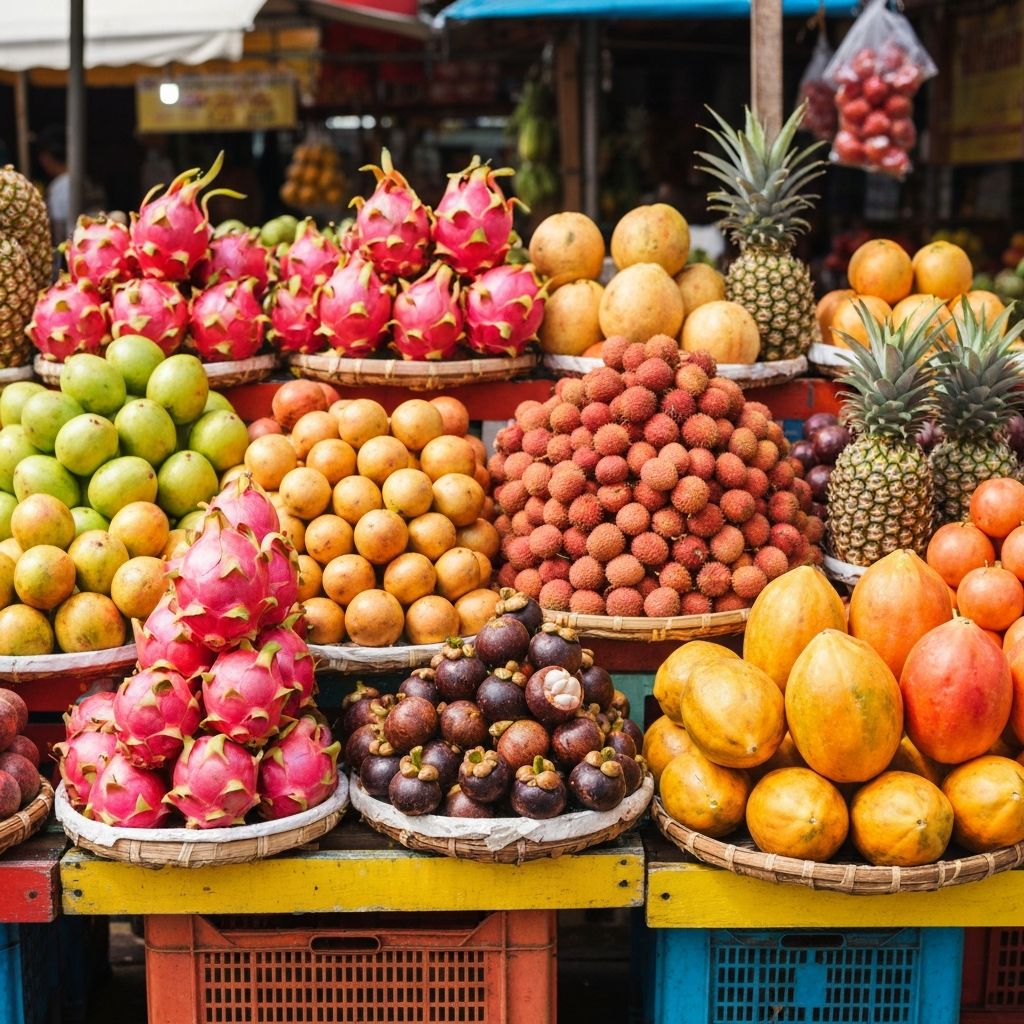
Educational content only. No promises of outcomes. This resource presents scientific information about the nutritional composition of tropical fruits and natural food sources. All information is presented for educational purposes to explain naturally occurring nutrients in various produce.
Vitamins in Exotic Fruits
Tropical fruits contain diverse vitamins that play important roles in human metabolism and biological functions. These include water-soluble vitamins like vitamin C and various B-complex vitamins, as well as fat-soluble vitamins found in certain tropical produce.
The vitamin content varies by fruit type and ripeness. For example, passion fruit contains significant amounts of vitamin C, while mango offers both vitamin A and vitamin C. Papaya provides papain enzyme alongside vitamin C. These are general nutritional facts about the composition of these foods.
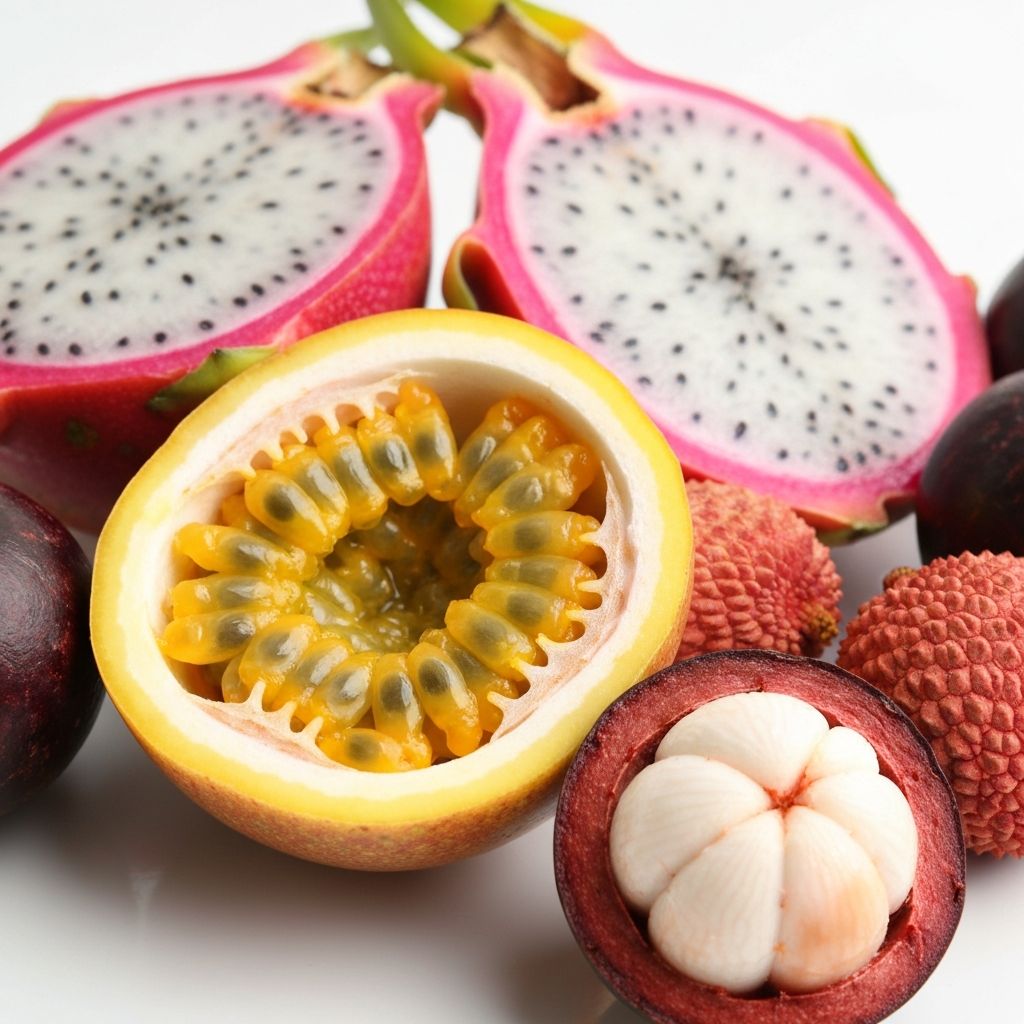
Featured Tropical Products

Dragon Fruit
Rich in vitamin C, fiber, and minerals. Contains natural antioxidants and low glycemic index carbohydrates. Used in various culinary applications.
Learn more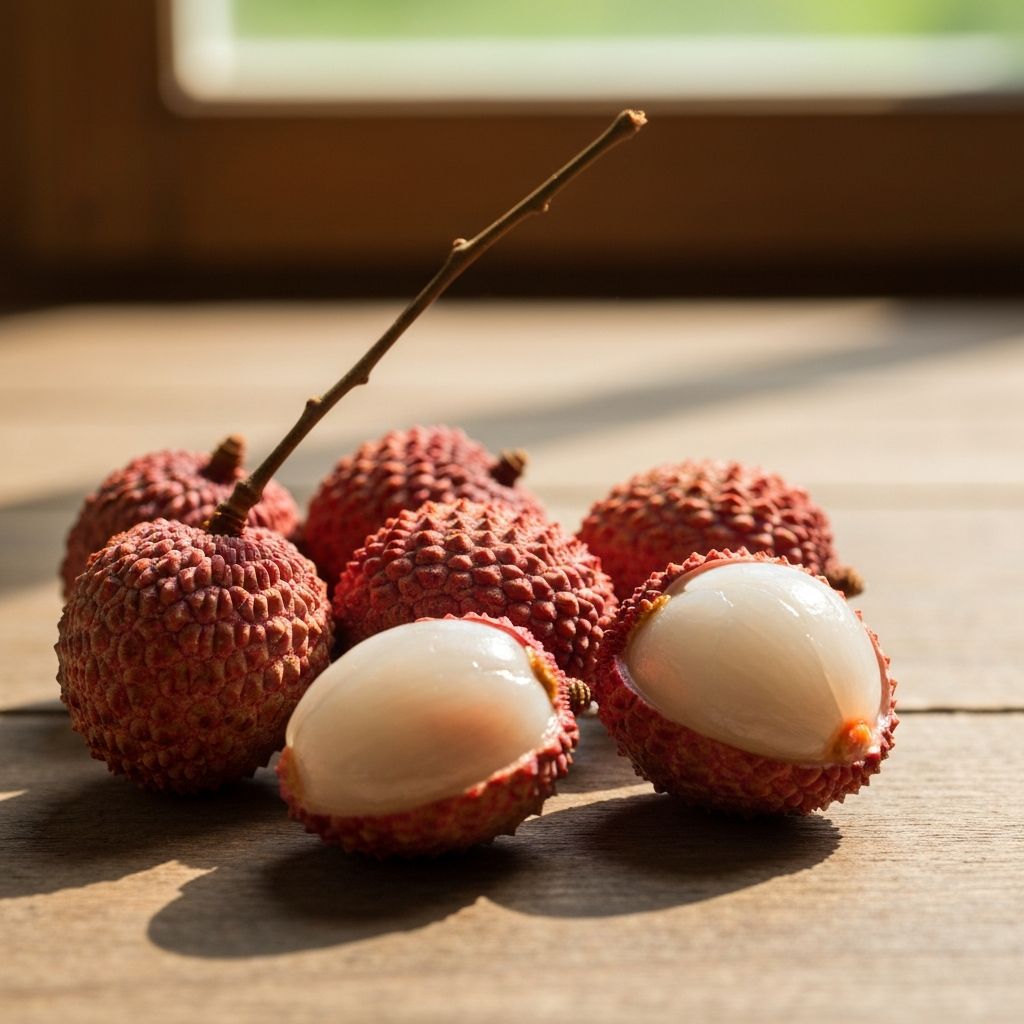
Lychee
Contains vitamin C, copper, and antioxidants. Provides polyphenols and trace minerals. Traditional use in various cultures for its nutritional properties.
Explore details
Passion Fruit
High in vitamin C and dietary fiber. Contains minerals like potassium and magnesium. Seeds provide bioactive compounds studied for nutritional properties.
Discover moreMinerals from Tropical Sources
Tropical fruits provide important minerals essential for human physiology. Potassium, found abundantly in many tropical fruits, plays crucial roles in nerve transmission and muscle function. Magnesium, present in various exotic fruits, participates in over 300 enzymatic reactions in the body.
Copper, zinc, and iron are trace minerals found in tropical produce. Manganese, also present in some tropical fruits, functions as a cofactor for various enzymes. These minerals are naturally occurring components of fruit composition.
Coconut and Its Nutritional Role
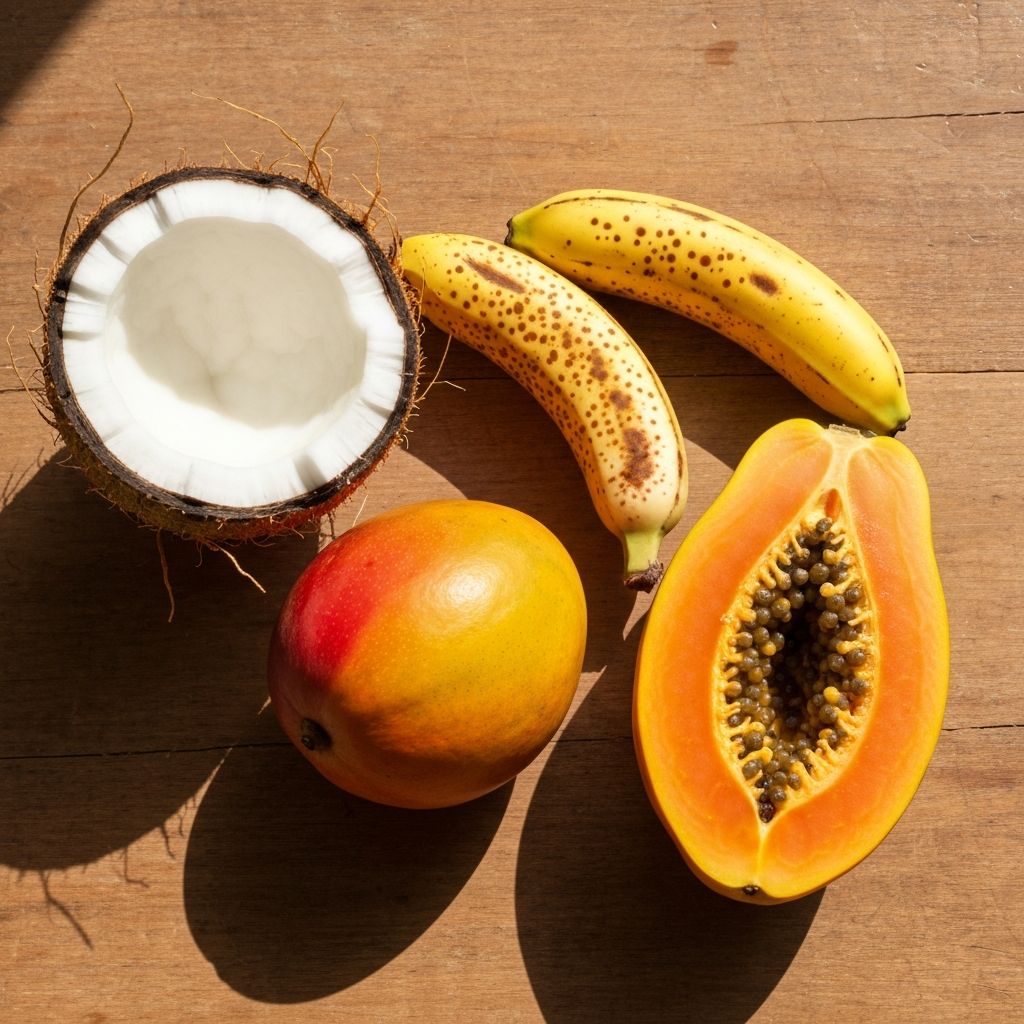
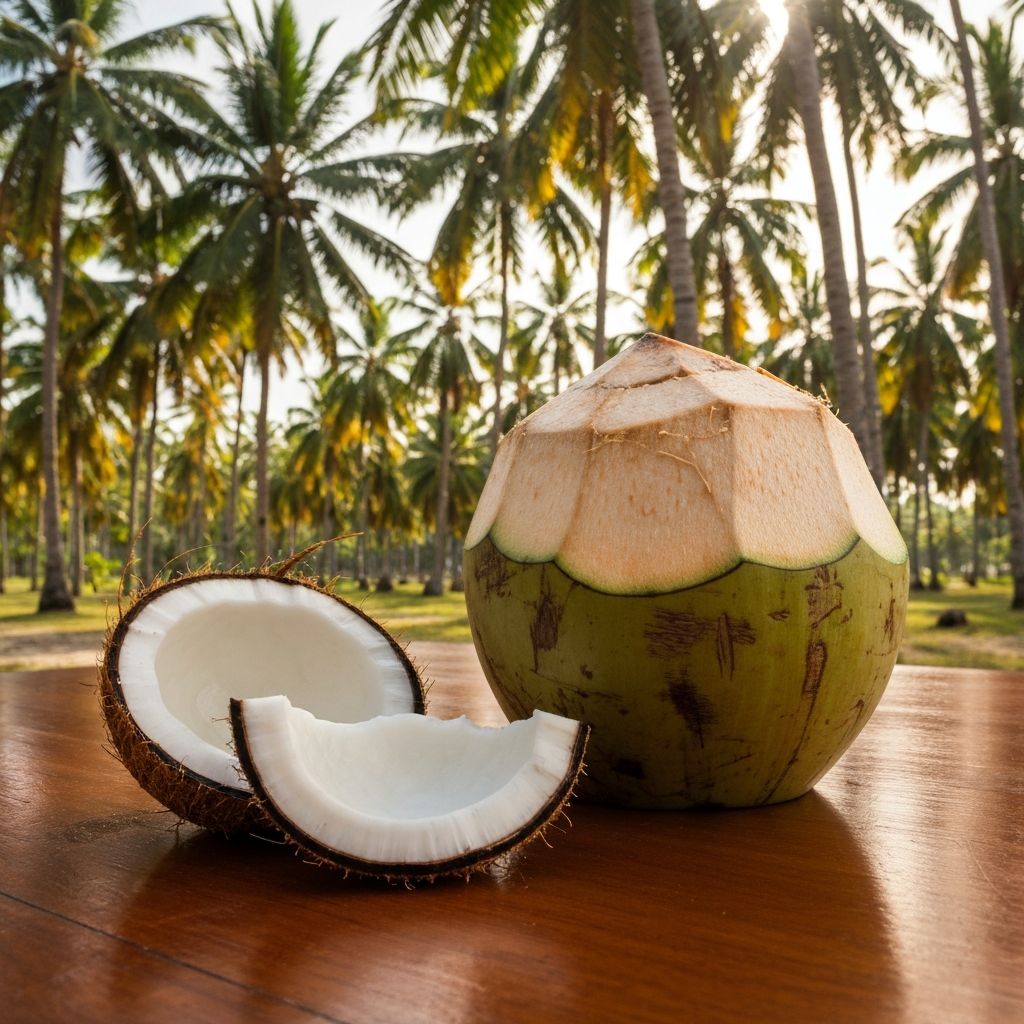
Coconut represents a complex tropical food with multiple nutritional components. The flesh contains fats, proteins, and carbohydrates. Coconut water, the liquid inside young fruits, naturally contains electrolytes like potassium and sodium.
The nutritional profile of coconut varies by preparation—fresh meat, dried coconut, and coconut products each have different compositions. These are documented nutritional facts about coconut's naturally occurring components.
Coconut products have traditional uses across many cultures for both culinary and nutritional purposes, reflecting centuries of accumulated knowledge about tropical foods.
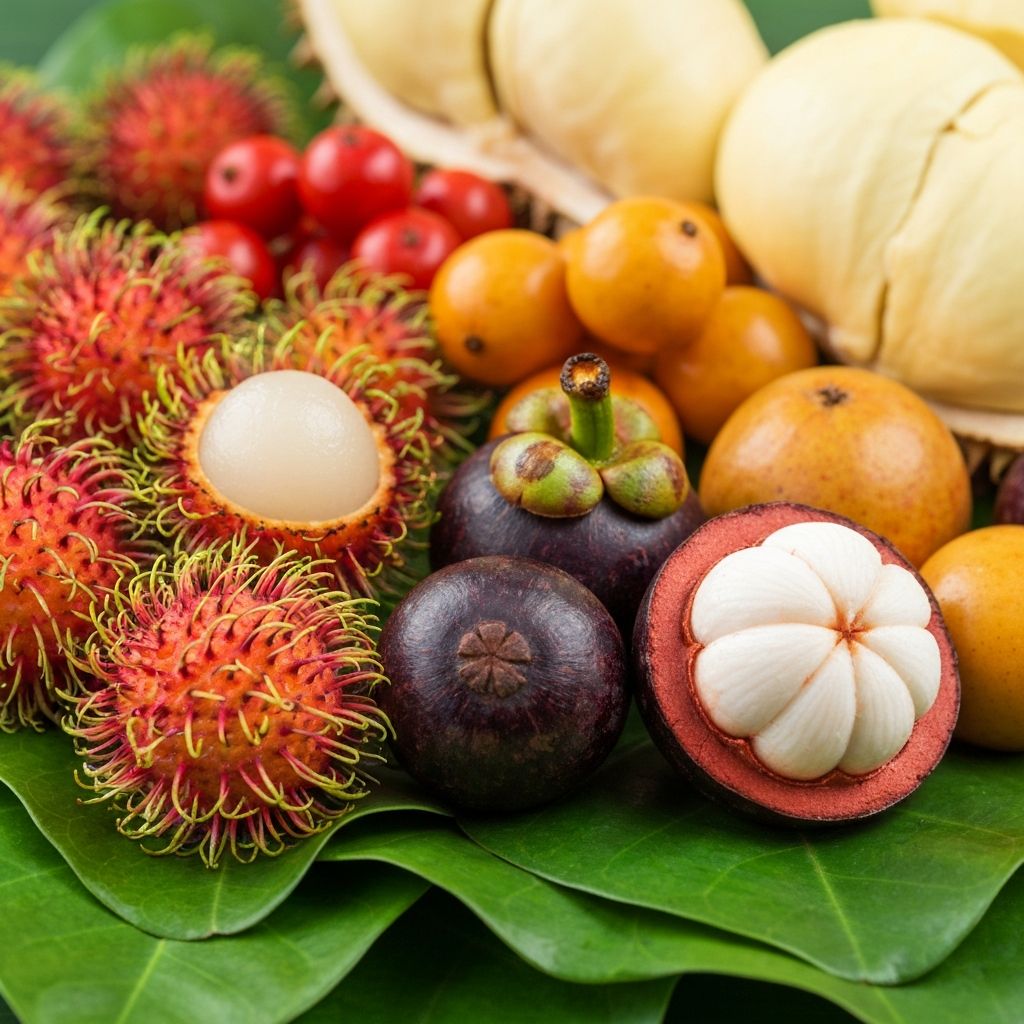
Exotic Berries Composition
Tropical berries offer diverse nutritional profiles. Rambutan, with its distinctive hairy appearance, provides vitamin C and copper. Mangosteen contains xanthones, a class of bioactive plant compounds. These berries represent natural sources of various phytonutrients.
The specific nutrient content in tropical berries reflects their botanical origins and growing conditions. Each berry type has documented nutritional data available through scientific literature on food composition.
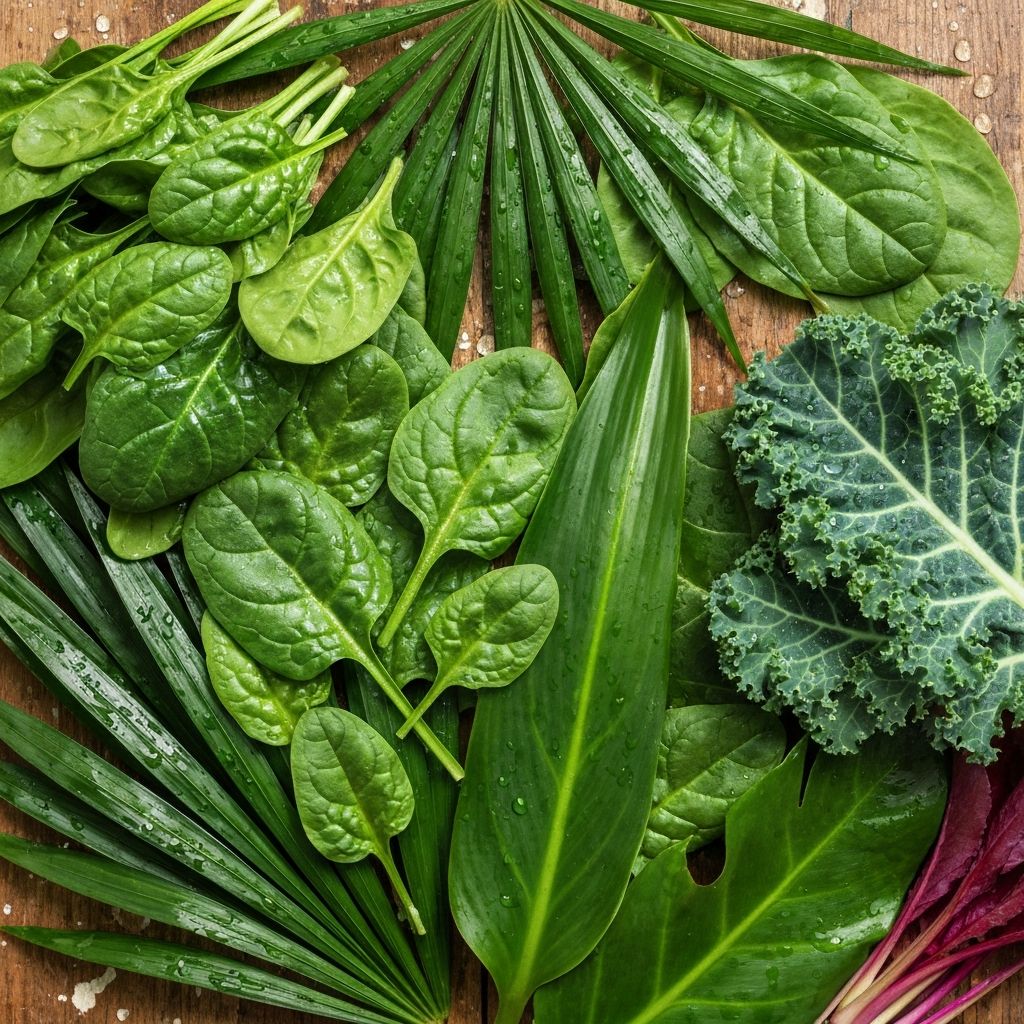
Leafy Tropical Greens Facts
Tropical regions produce leafy vegetables with distinctive nutritional characteristics. These greens naturally contain vitamins A, C, K, and various minerals. Local varieties in tropical climates have adapted to regional growing conditions.
Leafy greens from tropical areas contribute significantly to diverse diets in these regions. They provide fiber, minerals, and phytonutrients as documented in nutritional databases.
Common Tropical Food Questions
What nutrients are found in dragon fruit?
∨Dragon fruit contains vitamin C, fiber, small amounts of iron and magnesium. It also provides prebiotic fiber that feeds beneficial bacteria in the digestive system. The specific nutrient content varies slightly depending on fruit ripeness and growing conditions.
How do tropical fruits compare nutritionally?
∨Different tropical fruits have distinct nutritional profiles. Mango offers more vitamin A, while passion fruit provides higher fiber content. These differences reflect each fruit's botanical characteristics. Comparing nutritional data helps understand the diversity of tropical produce available.
What minerals are in tropical produce?
∨Tropical fruits naturally contain potassium, magnesium, copper, zinc, and manganese. The concentration of these minerals varies by fruit type. Soil composition and growing practices can influence mineral content in the final produce.
How are tropical fruits used in different cuisines?
∨Tropical fruits are used in diverse ways across cultures—fresh consumption, juices, desserts, and savory dishes. Different preparation methods preserve or modify the nutrient profile of these foods. Traditional uses reflect generations of culinary knowledge.
What makes tropical fruits unique nutritionally?
∨Tropical climates and soil conditions create distinct growing environments. This results in fruits with specific nutrient profiles adapted to those regions. Scientific studies document the composition differences between tropical and temperate climate fruits.
Regional Tropical Variety
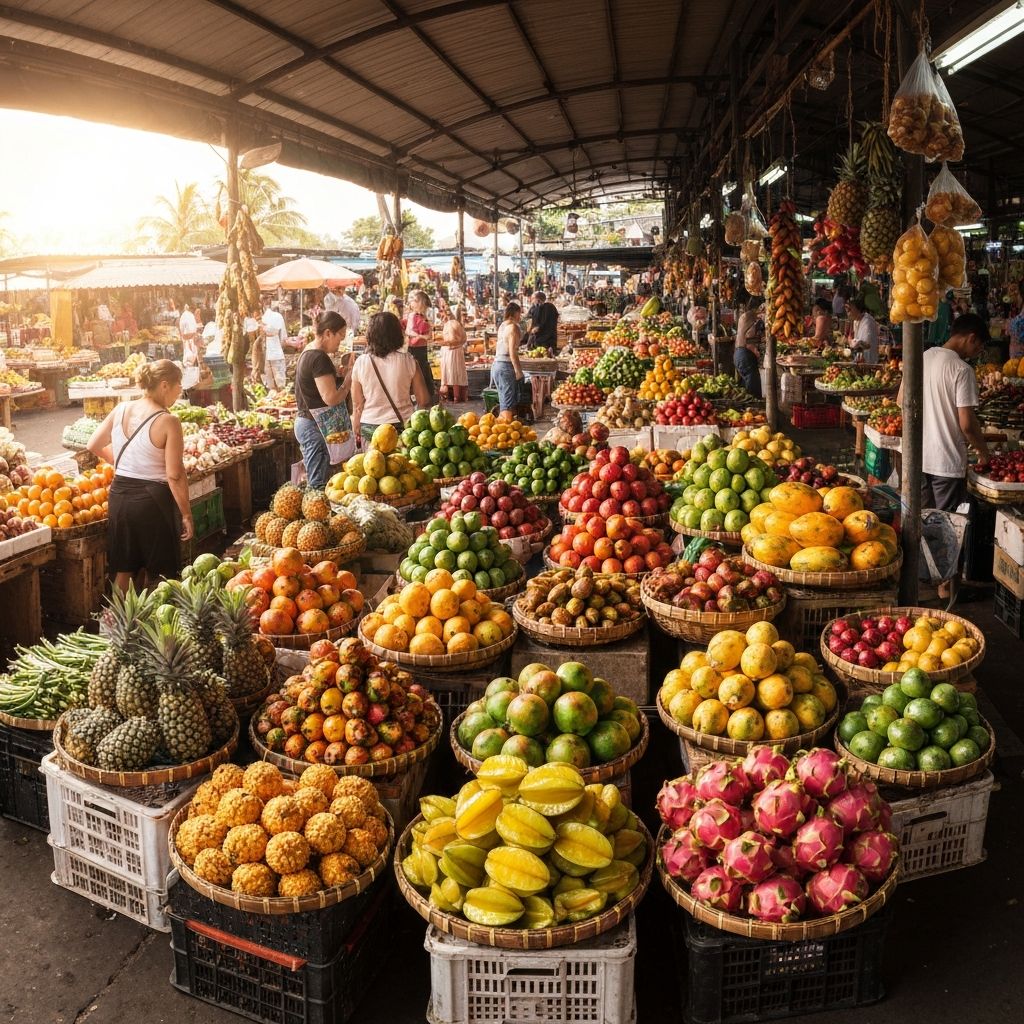
Tropical regions worldwide produce diverse fruit varieties, each with regional significance. Latin America contributes guanabana, cacao, and various berries. Asia provides mangosteen, rambutan, and dragon fruit. African and other tropical regions offer their own distinctive produce.
This agricultural diversity reflects centuries of cultivation and adaptation to local conditions. Each region's tropical fruits represent natural resources developed through traditional agricultural practices.
References and Scientific Sources
Nutritional Data Sources
Information about tropical fruit composition is derived from:
- USDA FoodData Central database - comprehensive nutritional analysis
- International scientific literature on food composition
- Regional agricultural research institutions
- Published studies on phytonutrient content
Educational Context
This resource explains naturally occurring nutrients in tropical fruits. The goal is to present factual information about food composition and nutritional characteristics without providing personalized recommendations or medical advice.
Explore more about tropical nutrition and exotic fruits
Learn About This Project